USAInsiderToday Latest News, Features, and Culture Coverage
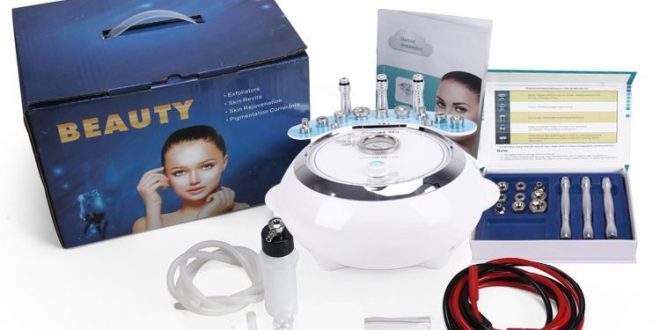
Microdermabrasion is a popular non-invasive cosmetic treatment designed to improve the appearance and texture of the skin. It works by gently exfoliating the outermost layer of dead skin cells, revealing smoother, brighter, and healthier-looking skin underneath. Because it requires little to no downtime, microdermabrasion has become a preferred skincare procedure for people looking to refresh their complexion without surgery or lengthy recovery periods.
What Is Microdermabrasion?
Microdermabrasion is a minimally invasive procedure performed using a specialized device that either sprays fine crystals onto the skin or uses a diamond-tipped wand to remove dead skin cells. At the same time, the device vacuums away the exfoliated skin and debris. This process stimulates blood circulation and encourages the production of collagen, a protein responsible for keeping skin firm and youthful.
The treatment is commonly performed on the face but can also be used on the neck, chest, hands, and other parts of the body.
Benefits of Microdermabrasion
Microdermabrasion offers several cosmetic benefits, making it suitable for many skin types and concerns. Some of the most common advantages include:
-
Improves overall skin texture and tone
-
Reduces the appearance of fine lines and wrinkles
-
Minimizes enlarged pores
-
Helps fade mild acne scars
-
Brightens dull and tired-looking skin
-
Reduces sun damage and age spots
-
Improves the effectiveness of skincare products by allowing better absorption
-
Provides a smoother makeup application
While results are usually noticeable after the first treatment, multiple sessions often produce the best long-term improvements.
Side Effects and Risks
Microdermabrasion is generally considered safe when performed by a trained professional. However, like any cosmetic procedure, it may cause temporary side effects.
Common side effects include:
-
Mild redness
-
Slight swelling
-
Skin sensitivity
-
Dryness or peeling
-
Temporary tightness
These effects usually disappear within a few hours to a couple of days.
Less common complications may include bruising, irritation, or temporary changes in skin pigmentation, particularly if proper aftercare is not followed. People with active acne, rosacea flare-ups, eczema, skin infections, or open wounds should consult a dermatologist before undergoing treatment.
What Happens During the Procedure?
A typical microdermabrasion session lasts between 30 and 60 minutes. The skin is first cleansed, and then the handheld device gently exfoliates the treatment area. Most patients describe the sensation as similar to a mild scratching or light massage.
No anesthesia is required, and patients can usually return to normal daily activities immediately after the appointment.
Recovery and Aftercare
Recovery is minimal, but proper aftercare is essential for the best results.
After treatment, it is recommended to:
-
Apply moisturizer regularly
-
Wear broad-spectrum sunscreen with SPF 30 or higher
-
Avoid direct sun exposure
-
Skip harsh exfoliants and retinoids for several days
-
Stay hydrated to support skin healing
Protecting the skin from UV exposure helps maintain results and reduces the risk of pigmentation changes.
Cost of Microdermabrasion
The cost of microdermabrasion varies depending on location, provider experience, and the treatment area. On average:
-
Single treatment: $75–$250
-
Package of multiple sessions: $300–$1,000+
Many skincare clinics recommend a series of 4–8 treatments spaced several weeks apart for optimal results. Additional costs may apply if combined with chemical peels, LED light therapy, or specialized facial treatments.
Is Microdermabrasion Right for You?
Microdermabrasion is ideal for individuals with mild skin concerns who want smoother, brighter skin without surgery. It is effective for treating dullness, uneven texture, mild discoloration, and early signs of aging. However, those with severe acne scars, deep wrinkles, or significant pigmentation issues may require more advanced procedures such as laser resurfacing or microneedling.
Conclusion
Microdermabrasion remains one of the most popular cosmetic skin treatments because it is quick, safe, and effective for improving overall skin appearance. With minimal downtime and noticeable results, it can help rejuvenate the skin, reduce minor imperfections, and promote a healthier complexion. Before scheduling treatment, consult a qualified dermatologist or licensed skincare professional to determine whether microdermabrasion is the best option for your skin type and cosmetic goals.